What Capitol Living Publishes About Parking
If you plan to bring a vehicle to the area around UT Austin, parking deserves an answer before you sign anything. Downtown parking is a patchwork of street spaces, paid garages, private lots, and permit rules, and it behaves differently from parking in a suburban complex. This guide lays out the categories and what to verify for each. It is general guidance, not a promise of availability anywhere.
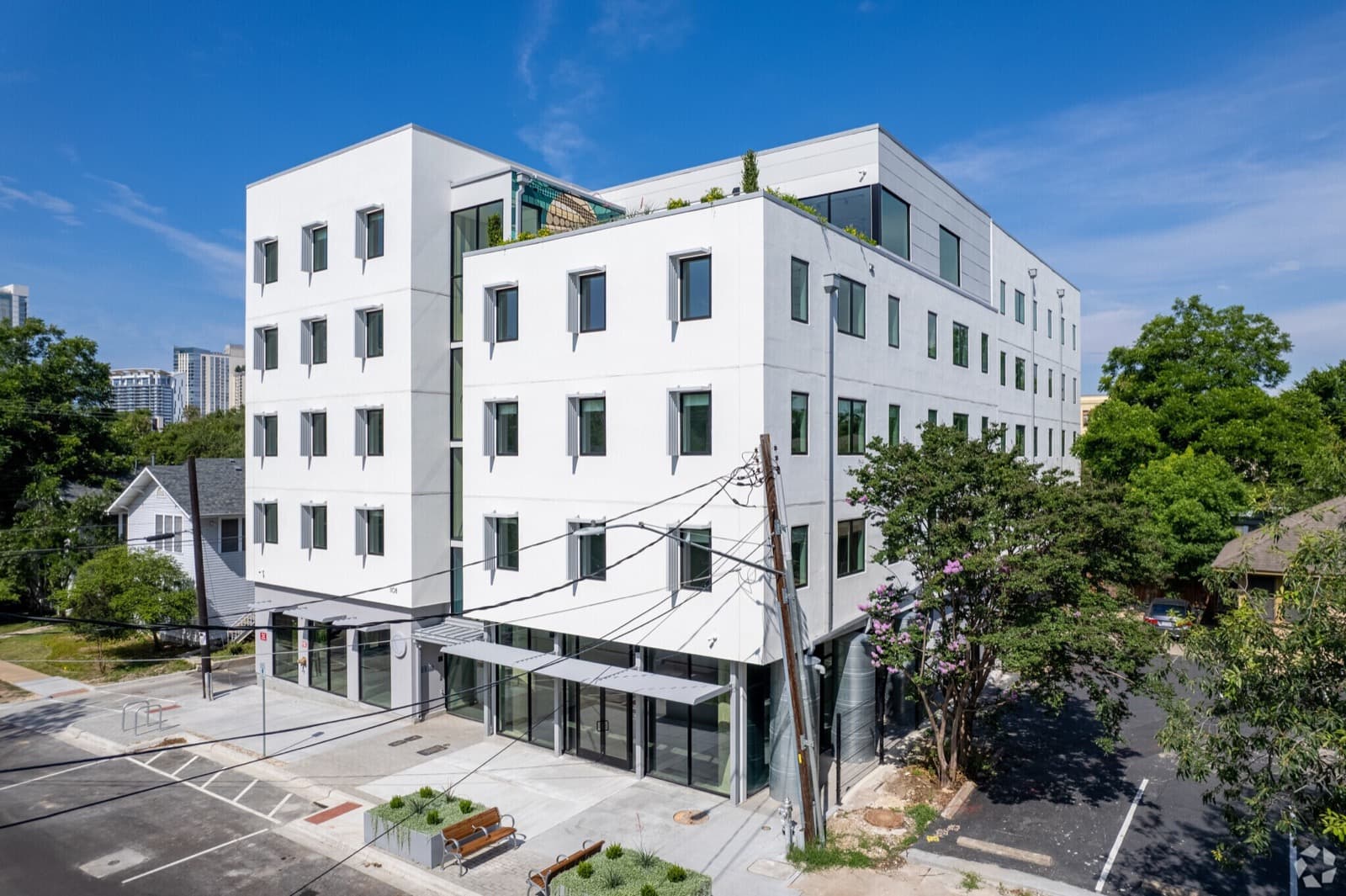
Start with what is on the record. Capitol Living's published property details cover bike storage, a fitness center, on-site laundry, secure gated entry, and elevator access. They do not describe a parking arrangement. There is no published space count, no garage or lot, and no monthly parking rate, so nothing below assumes one. If a car is part of your plans, ask the leasing team directly. The easiest moment is during a tour of the building, when someone can answer in person and show you the surroundings.
Why Downtown Parking Works Differently
The blocks around the Texas Capitol pack government offices, a medical district, a community college, and an entertainment district into a small area. Capitol Living sits two blocks from the Capitol, three blocks from 6th Street, and one block from Austin Community College. Every one of those draws drivers who are not residents.
That means demand shifts by time of day and day of week. A space that is easy to find early on a weekday morning may be hard to find on a weekend evening. Plan for the busiest version of the neighborhood, not the quietest.
The Main Parking Categories to Understand
Whatever address you choose near campus or the Capitol, parking usually falls into a handful of categories. Each has its own rules, and none of them should be assumed.
- Metered and time-limited street spaces. Posted hours, time limits, and payment methods vary block by block. Read the signs every time.
- Paid garages and surface lots. Operators set their own hourly, daily, and monthly pricing and their own access rules. Ask for current rates directly instead of relying on old figures.
- Permit or restricted streets. Some residential streets limit parking to permit holders during certain hours. Check posted signage and the City of Austin's current rules before leaving a vehicle overnight.
- Parking tied to a building. Some apartment communities offer assigned or leased spaces. Whether a given building does, and on what terms, is something only that building can tell you.
Questions to Ask a Leasing Office About Parking
If you are comparing buildings, ask the same questions at each one and keep the answers in writing. A fair set to start with:
- Does the building offer any parking to residents, on-site or arranged nearby?
- If so, how is it assigned: per apartment, per person, or first come first served?
- What does it cost, and how is it billed?
- Is there guest or visitor parking, and what are the time limits?
- Where can a car or truck stop on move-in day, and is any reservation needed?
- Are there rules on vehicle size, overnight parking, or towing?
- Is electric vehicle charging available?
Price Parking Like a Line Item
Treat parking as its own line, separate from rent and electricity. Capitol Living publishes no parking rate, so any cost has to come from the leasing team and be added on top. Our monthly cost breakdown for a short-lease apartment shows where each budget category belongs.
The Car-Optional Route
Plenty of people near campus and the Capitol decide a vehicle is more trouble than it is worth. The Capitol District walkability post makes that case, and the downtown to UT walkability guide has the routes and scores. Either way, decide in advance how you will handle the occasional trip that does need a car.
Move-In Day, Guests, and Event Days
Parking questions do not end once you have a plan for daily use. Three situations catch people out. The first is move-in day, when a loaded car or truck needs somewhere legal to stop for longer than a quick drop-off. Ask the leasing team where loading is allowed and for how long, and do not assume a curb space will be free or permitted.
The second is guests. Friends and family visiting for a day need a place to leave a car that will not get ticketed or towed. Tell them about the garages and the rules for time-limited and permit streets before they arrive, and share the building address so they can look at options in advance.
The third is event days. Downtown draws crowds for festivals, concerts, and government activity, and those days can fill garages and close streets. If you are expecting a vehicle to be somewhere downtown on a busy day, give yourself extra time and a backup option.
Avoiding Tickets and Tows
Most parking trouble comes from not reading the signs. Check the posted hours and the time limit each time you park, not just the first time. Keep payment receipts or confirmations until the time has passed. If a street has a permit rule, do not assume the rule only applies at certain hours unless the sign says so. A quick photo of the sign and your parked car can help if you ever need to contest a ticket. These habits cost a minute and can save a lot of money.
A Parking Plan for a Group
A four-bedroom apartment can mean several vehicles competing for few spaces. Before your group signs, count how many vehicles actually need to be near the building each day, and who would rely on transit, a bike, or occasional rides instead. Agree on what happens if more vehicles show up than the arrangement allows. Writing that into your household agreements is easier now than after the first tow notice.
If you are searching as a group, the apartments for roommates overview explains how the whole-unit lease works, and the short-term lease apartments page covers the 3-month minimum term. Both are worth reading alongside the parking answers you collect.
To see how the neighborhood fits your routine, browse the apartments near UT Austin page, then take your parking questions to the leasing team. Ready to ask them? Contact Capitol Living and we will help.
Frequently Asked Questions
Does Capitol Living offer parking?
Capitol Living's published property details do not describe a parking arrangement, so no parking spaces, garage, or rate should be assumed. Anyone who plans to bring a vehicle should ask the leasing team directly what, if anything, is available for residents.
What types of parking are available near UT Austin?
Near campus and downtown, parking generally falls into metered street spaces, paid garages and lots, permit-restricted residential streets, and parking offered by individual buildings. Each has its own rules, so verify current terms with the operator or the city.
What should I ask a leasing office about parking?
Ask whether parking is offered, how it is assigned, what it costs and how it is billed, whether guest parking exists, where to stop on move-in day, and what rules apply to vehicle size, overnight parking, and towing. Get the answers in writing.
Does Capitol Living publish a monthly parking rate?
No. Capitol Living's published property details do not list a parking rate, a space count, or a parking arrangement. Anyone planning to bring a vehicle should ask the leasing team what is available and what it would cost before applying.