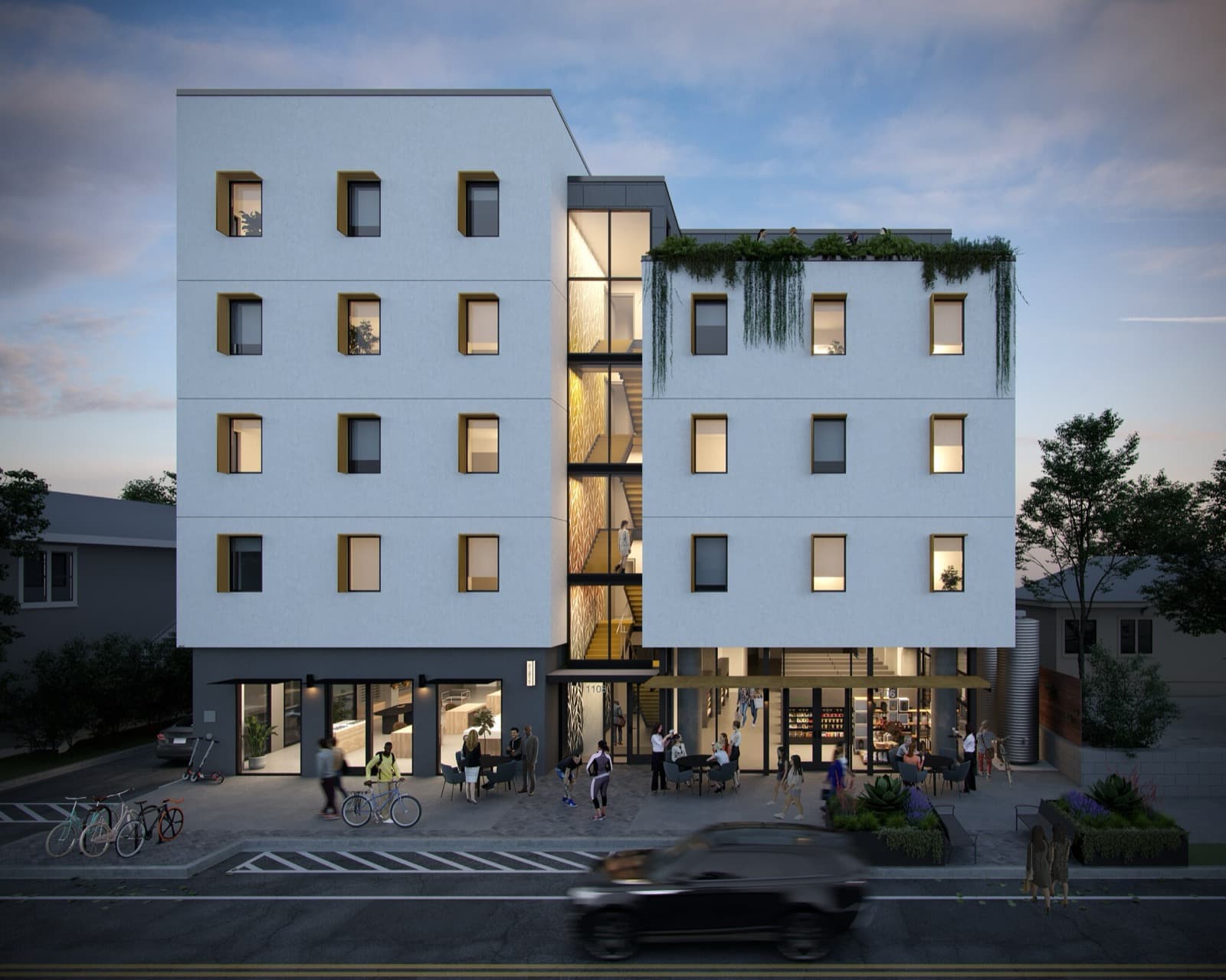
Noise Is a Property of the Block, Not the Neighborhood Name
Two addresses a few hundred feet apart can sound completely different. A listing that says "downtown" tells you very little about what you will hear from your window, because sound depends on what happens to be next to, under, and around a specific building. That is why a search for quiet downtown streets rarely ends with a tidy list. The honest answer is a method, not a street name.
This post does not rank blocks or label any street as loud or quiet, and it publishes no sound measurements. It covers the categories of noise a downtown block can have and how to check for each one yourself. The downtown Austin apartments guide describes the Capitol District, 6th Street, Rainey Street, and the medical district in general terms, and this post does not re-characterize them. It is about the block, not the unit. For sound inside the apartment, see the guide to privacy in a shared apartment.
The Six Categories of Downtown Block Noise
Almost every sound on a dense block falls into one of these groups. Naming them helps you notice what you are hearing, and what you are not.
Nightlife Corridors
Bars, clubs, and late-hours restaurants produce voices, music, and foot traffic that peak at night and on weekends. The effect depends on how close you are to the venues and whether the street between you and them funnels sound or blocks it. For reference, the building publishes its distance to 6th Street as three blocks. Whether that distance turns into audible sound at any given window is something to test, not assume.
Event Venues
Stages, arenas, and public squares produce sound in bursts tied to a calendar. A block can be calm for weeks and then busy for an evening. Venue and city event calendars are public, so check them against the dates you plan to visit.
Construction
A dense district is always building something. Construction noise is daytime noise, often starting early, and it can last months. It also ends, which sets it apart from the other categories. Look around the block for cranes, fencing, and permit signs, and ask the leasing team what they know about work nearby.
Transit and Traffic Routes
Bus routes, rideshare pickup zones, and through-streets create a steady hum plus occasional spikes from braking and horns. In any dense district, emergency vehicles pass as well. Streets that carry through-traffic sound different from streets that mostly serve the buildings on them.
Service Access
Delivery trucks, trash pickup, and loading areas happen on a schedule, and often at hours when the rest of the block is quiet. Ask when pickups occur and where service vehicles stop relative to the unit you are considering.
Building Equipment
Rooftop mechanical units and ventilation on neighboring buildings produce a constant, low sound that is easy to miss during a short visit. Stand still for a full minute outdoors and listen for a steady tone under the rest.
Steady Sound Versus Sudden Sound
Before you start touring, decide whether you tolerate steady background sound or sudden, irregular sound better. Your answer changes which of the six categories above matters most to you. Someone who sleeps lightly may weight nightlife and service access heavily, while someone who works from home may care most about construction and daytime traffic. The North Campus versus downtown comparison discusses how the two patterns differ.
How to Check a Block at Different Hours
One visit tells you about one moment. A block needs several, and the sidewalk outside is public, so most of this needs no appointment.
- Weekday morning. Check for construction, deliveries, trash pickup, and commuter traffic.
- Weekday midday. This is the baseline of ordinary activity.
- Weekday late evening. See what remains once the workday ends.
- Friday or Saturday night. This is when nightlife and event sound peaks. If you are a light sleeper, this visit matters most.
- Sunday morning. Note what lingers from the night before and what the quiet baseline sounds like.
At each visit, walk the block in both directions and stop at the entrance. Then walk one block further toward the nearest venue and one block away, and notice where the sound drops off.
Clues You Can Read From the Sidewalk
Before you listen, look. The ground floor of nearby buildings says a lot about what the block will sound like after dark. Outdoor patios and late-hours signage point to evening activity. Loading zones and service doors point to early-morning deliveries. Bus stop signs and rideshare pickup markings point to a steady flow of stopping and starting vehicles. Fencing, scaffolding, and posted permits point to construction. None of these clues is a verdict, but together they tell you which of the six categories to listen for first.
What to Test During the Tour Itself
When you reach the unit, listen with the windows closed, then ask whether you may open one briefly to compare. Stand in the bedroom you would use, and note which direction its window faces and what that direction looks out on. The checklist for touring a 4-bedroom apartment covers the rest of the room-by-room walkthrough.
Bring a note on each category and mark it heard, not heard, or unsure. Unsure is a useful answer. It tells you where to return.
Questions Worth Asking the Leasing Office
- Is there construction nearby that you know of, and how long is it expected to continue?
- When do trash pickup and deliveries usually happen?
- Which direction does this unit face?
- Is there anything about the block I would only notice at night?
Treat the answers as leads to verify, not guarantees. Capitol Living publishes no noise readings, and this post does not either. If you want to ask these questions directly, contact the leasing team before your visit.
Pairing Noise With Everything Else You Want
A quiet block and a walkable block are different goals, and a very central address will usually have more activity nearby. Capitol Living has a Walk Score of 96, and the Capitol District walkability breakdown explains what is within reach on foot. Weigh what you gain by being central against what you hear. If your nights matter most, rank the six categories above for yourself first and tour with that ranking in hand.
If you are unsure how much sound you can live with, a shorter commitment lowers the risk of guessing wrong. Short-term lease apartments in Austin explains how a 3-month minimum works, so you can learn a block by living on it before you decide to stay longer.
Ready to hear it for yourself? Schedule a tour of Capitol Living and plan a second visit at another hour.
Frequently Asked Questions
What kinds of noise can a downtown block have?
A downtown block can have nightlife sound, event venue noise, construction, traffic and transit routes, delivery and trash service access, and rooftop equipment on nearby buildings. Each follows a different schedule, so one visit rarely captures all of them.
What time should I visit to judge noise on a block?
Visit at several hours: a weekday morning, a weekday late evening, a Friday or Saturday night, and a Sunday morning. Nightlife and event sound peaks on weekend nights, while construction and service noise occur on weekday mornings.
Can one tour tell me how loud a block is?
No. A single tour captures one moment. Pair it with visits to the sidewalk outside at other hours, check venue and city event calendars, and ask the leasing office about nearby construction and service schedules.
Does Capitol Living publish noise levels?
No. The building does not publish sound measurements. Its published location facts include a Walk Score of 96 and a distance of three blocks to 6th Street, so anyone sensitive to sound should check the block in person at several hours.